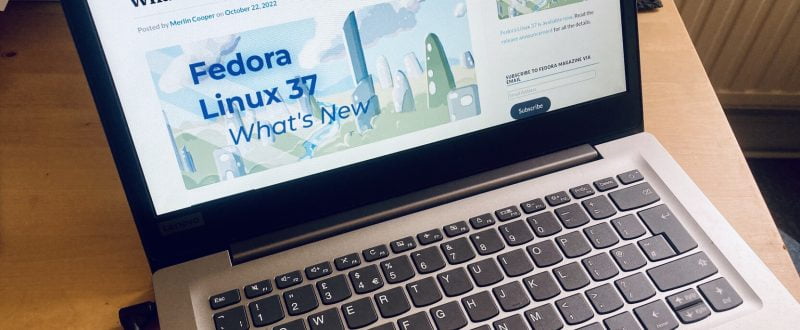
April 13th, 2026 Posted in Computer, Linux
Can the fragmented Linux ecosystem compete with MacOS & Windows?
Microsoft have been in trouble (again) recently for their CoPilot screen-shotting spyware, rolling it back after massive controversy and comments by security experts. Windows keeps sneaking in adverts and other anti-user ‘features’.
Apple have also been flamed for their recent adverts, haven’t really innovated in years and despite sustainability claims would prefer if we just threw our devices away every 3 years and bought shiny new ones to keep their profits high. MacOS is free but the overpriced and largely unrepairable hardware certainly isn’t cost effective.
Some flavour of Linux is the only practical alternative on the desktop, but it’s not an option for the less technically inclined for a variety of reasons. I’ve been trying to make Linux my daily driver for gaming and web design for a while; Here’s what I’ve found.
Endless Distros
Do we need this many distros all with their own ecosystem and dev teams? What if at least some of them pulled together? I know Linux is about choice but this is insanity having hundreds of distros, often with many desktop environment choices. (KDE, Gnome, MATE, XFCE etc)
Ubuntu
Ubuntu is one of the easiest for beginners but has the stink of big tech about it with bad decisions that benefit Canonical, paid upgrades and rumour of adverts coming to it. Absolutely the wrong choice if they want to differentiate themselves from Windows and MacOS.
It also seems Ubuntu and Gnome want to get in my way with simple things like not allowing a solid colour on the desktop (Like Mint does..) for some bizarre reason, and not allowing me to directly launch the app I’ve just installed through the app store (Like Mint does..).
After running Ubuntu Gnome for a few months I’ve absolutely had enough of Gnome’s stupid design choices. As has this guy
(Full rant to come later about all the reasons Gnome are making the wrong move by deciding to do things their own way and not allow us to easily undo their choices; horrible colours, font and icons, weird desktop behaviour, odd window behaviour, Snap store etc)
Linux Mint
Linux Mint is often recommended for Linux beginners. It worked well on my 2016 Macbook Air but looks a bit old school with it’s ancient looking interface. Failing to set up Bluetooth was the final straw so I rage quit.
Elementary
Elementary also looks good for beginners but has its own app ecosystem which put me off. As a Linux noob I need help from the internet, and adding an unusual ecosystem is a step too far for me. I also need the usual web design and development tools, not special apps from Elementary.
Zorin
I installed Zorin on my 2016 Macbook Air when Mint annoyed me. Zorin installed quickly and everything just worked, and I’ve been using it daily for a few months now. Very impressed and would happily install this for friends and family to help them get away from Windows. 2 million others seem to think the same thing.
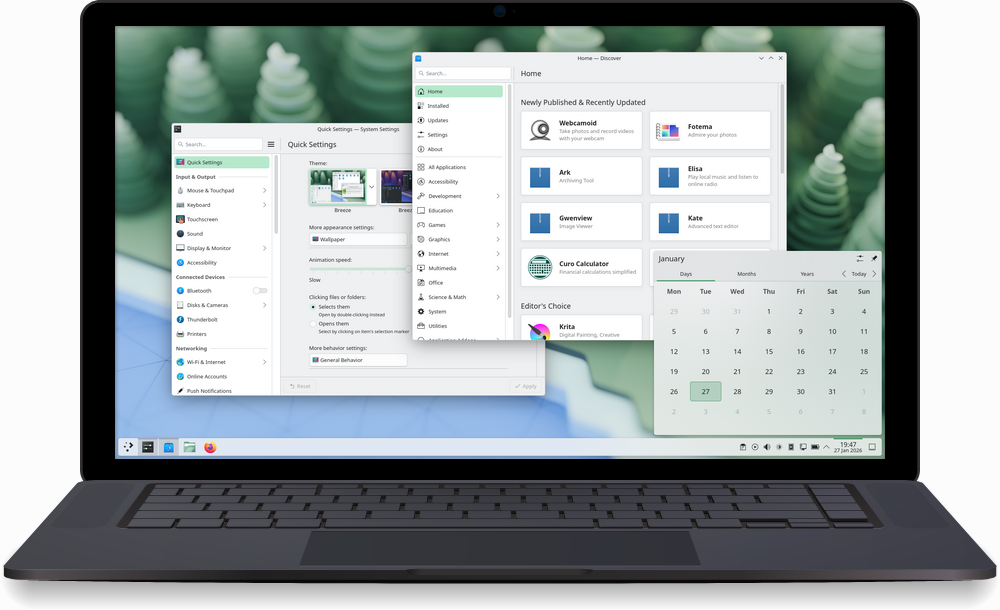
Debian KDE Plasma
Debian & KDE Plasma
After getting so sick of Ubuntu and Gnome after using it daily for a few months, I am setting up a Debian 13 KDE Plasma install in May 2026. It is customisable, looks like I expect a desktop to look and I’ve had few issues (aside from self inflicted Nvidia driver hell).
What I’d like to see: Fewer but more usable distros with better documentation. A coalition of big distros clubbing together to be a serious alternative to Windows or MacOS for non-technical people (i.e. the bulk of society that want to ditch Windows)
Software install nightmares
Command line, built in app stores, Snaps and now Flatpak – why so many ways to install the same piece of software? The packaged versions are often out of date and maintained by volunteers. This isn’t a stable platform for a work machine when updating isn’t possible until they update their packages. I also ended up with two different versions of the same app installed and you can guess how well that worked (not at all).
What I’d like to see: One software installation method that works well and is kept up to date
Free vs sustainability
Everyone needs to pay their bills and that’s fine. Doing things for free isn’t a long term solution and means people can only do it around their paid job. With the expectations of free distro and free software, how do we create a long term stable platform here without everything turning into a shareholder driven dickhead corporation, or being bought by one?
Zorin seem to have this figured out with their free to use OS but also offering a paid one for a very reasonable price of around £50
What I’d like to see: Good freemium business models to ensure long term sustainability of software I rely on for work
Poor interfaces
There appear to be a variety of interface toolkits on Linux software and some of them look like they are from 20 years ago. Surely we can do better than that? Who do I speak to if I want to contribute to making interfaces nicer looking and more intuitive?
What I’d like to see: Unified, modern looking interface toolkits and contemporary icons built in to distros
Poor names and design
Many apps are called things like rbstricqp or equally unattractive names. Coupled with bad icon design, bad app design and terrible websites this all looks like it’s going to be abandoned at any moment. Not ideal for pleasurable use or relying on them for work tasks.
What I’d like to see: At least some thought and design work going into app names, icons and their websites
Just make it work
I’m pretty technical and not afraid of the command line. I want things to just work though for two main reasons:
- I don’t enjoy adminning computers (AKA ‘computer touching’) for its own sake these days, I use them to do other things like gaming or work
- I don’t have time to spend hours setting up basic things or troubleshooting – as a freelancer that’s costing me money
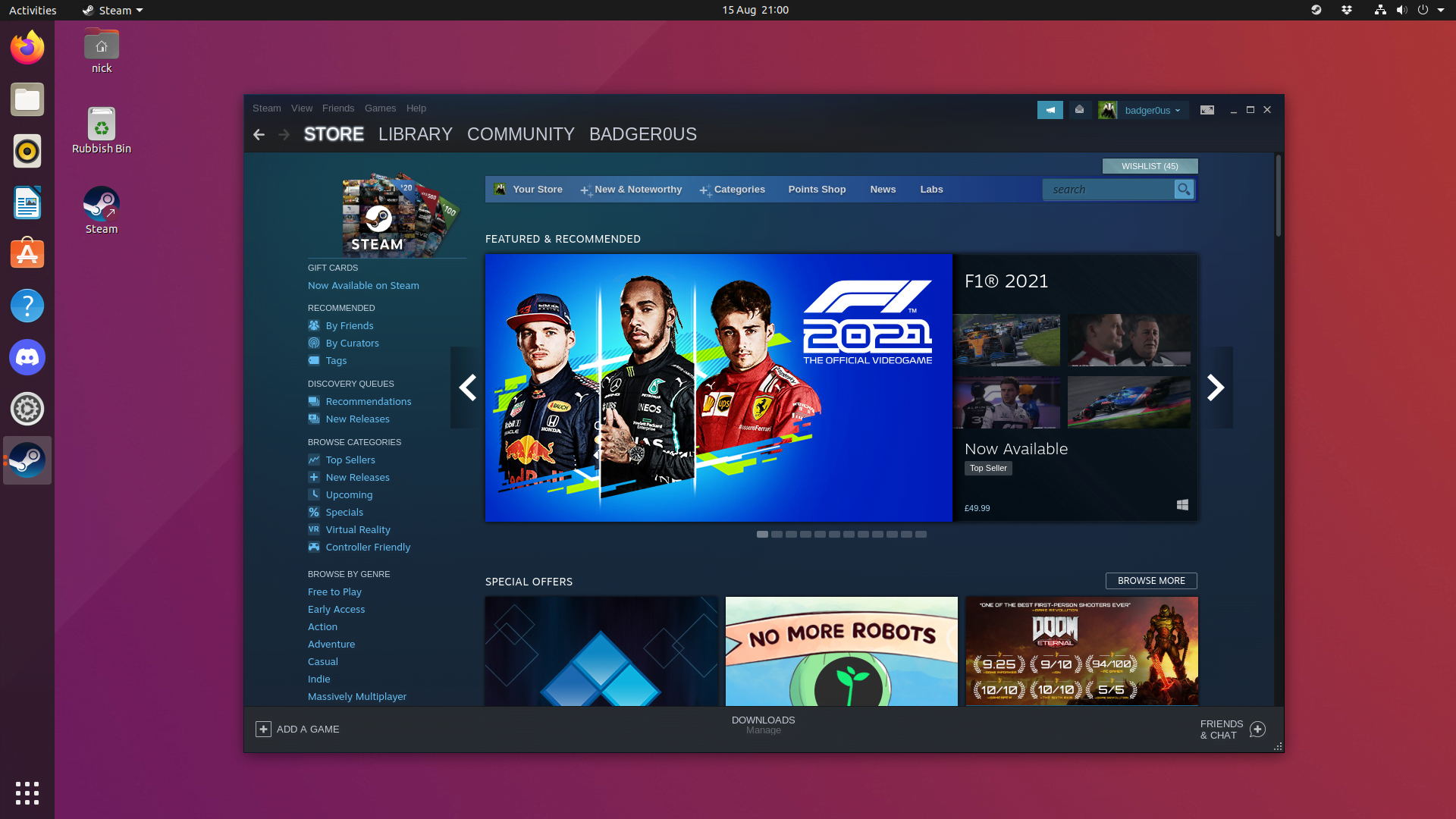
Steam running on Ubuntu Linux
The SteamDeck effect
Gaming is now way easier on Linux as Valve (creators of Steam and the SteamDeck) are putting resources into making games work on their SteamDeck handheld gaming PC. Their Steam Machine is coming in 2026 and could signal a massive shift to Linux use.
We could do with Ubisoft, Epic etc to make native launchers now to allow greater uptake of Linux desktop for gaming. Lutris sort of works but it’s a faff and took me a few hours to get working as the Ubuntu package was way out of date (see above about software installers!)
Reviving old machines
Landfill of old computers and other devices is off the scale and causing huge environmental damage as well as costing us money due to planned obsolescence. Replacing old Windows or MacOS with Linux can keep devices in the game for longer, reducing landfill and saving us all money. Most things have just worked when I’ve put Linux on old laptops.
A common argument against doing this is that “people don’t know Linux!” but in my experience, most people don’t know Windows very well either or the difference between Edge browser and The Internet, so that’s a moot point. With most folks just using a web browser for shopping, social media and email, Linux can work great for that.
Summary
I’m massively frustrated with Linux for a number of reasons that are stopping it being more widely adopted. Some social, some business, some just volunteers doing things for the fun of it. I don’t know what to do about any of this but there has to be something I can get involved in!